Roboskin · Knit Bionic Soft Skin

We Knit the
Second Skin for Robots

Combining textile flexibility, engineering precision and sensing potential, we create fitted, breathable and maintainable soft shells for embodied robots.
  • 01 3D Knit Engineering
  • 02 Seamless Construction
  • 03 Conductive Yarn Integration
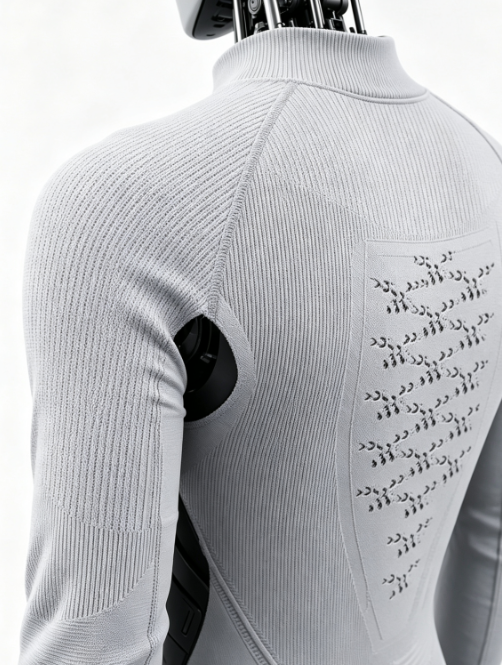
Close-up of knitted soft skin on a robot shoulder
Ventilation MeshTargeted airflow and cooling
Elastic Joint ZoneMoves with the mechanism
Integral KnittingFewer seams and weak points
YINGYUN / 01SOFT-SKIN SYSTEM
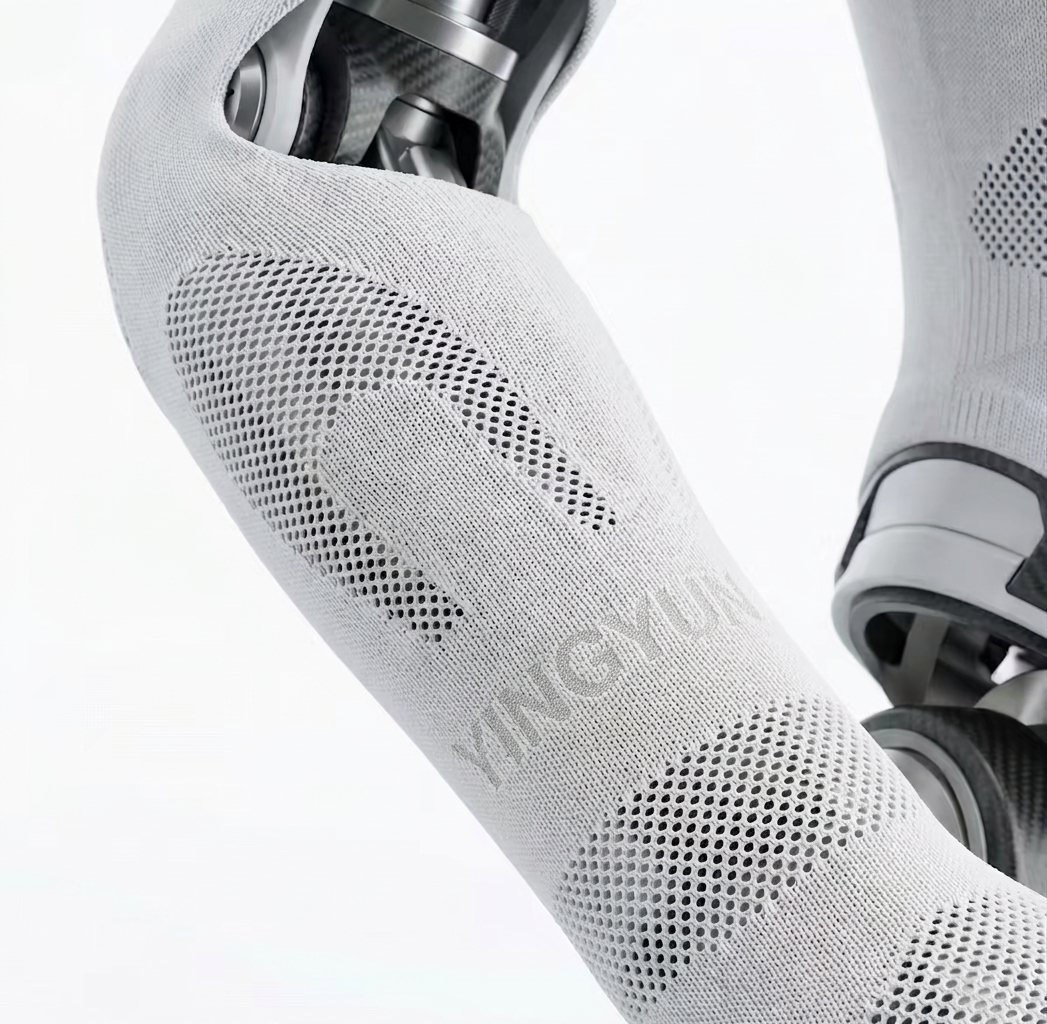
Knitted robot arm detailKNIT STRUCTURE / DETAIL
SCROLL TO EXPLORE

Product Families

A functional Roboskin system and active-wear concepts for robots across multiple scenarios.

Blue knitted Roboskin on a robot arm01 FLAGSHIP SYSTEM
ROBOSKIN

Knitted Bionic Soft Skin

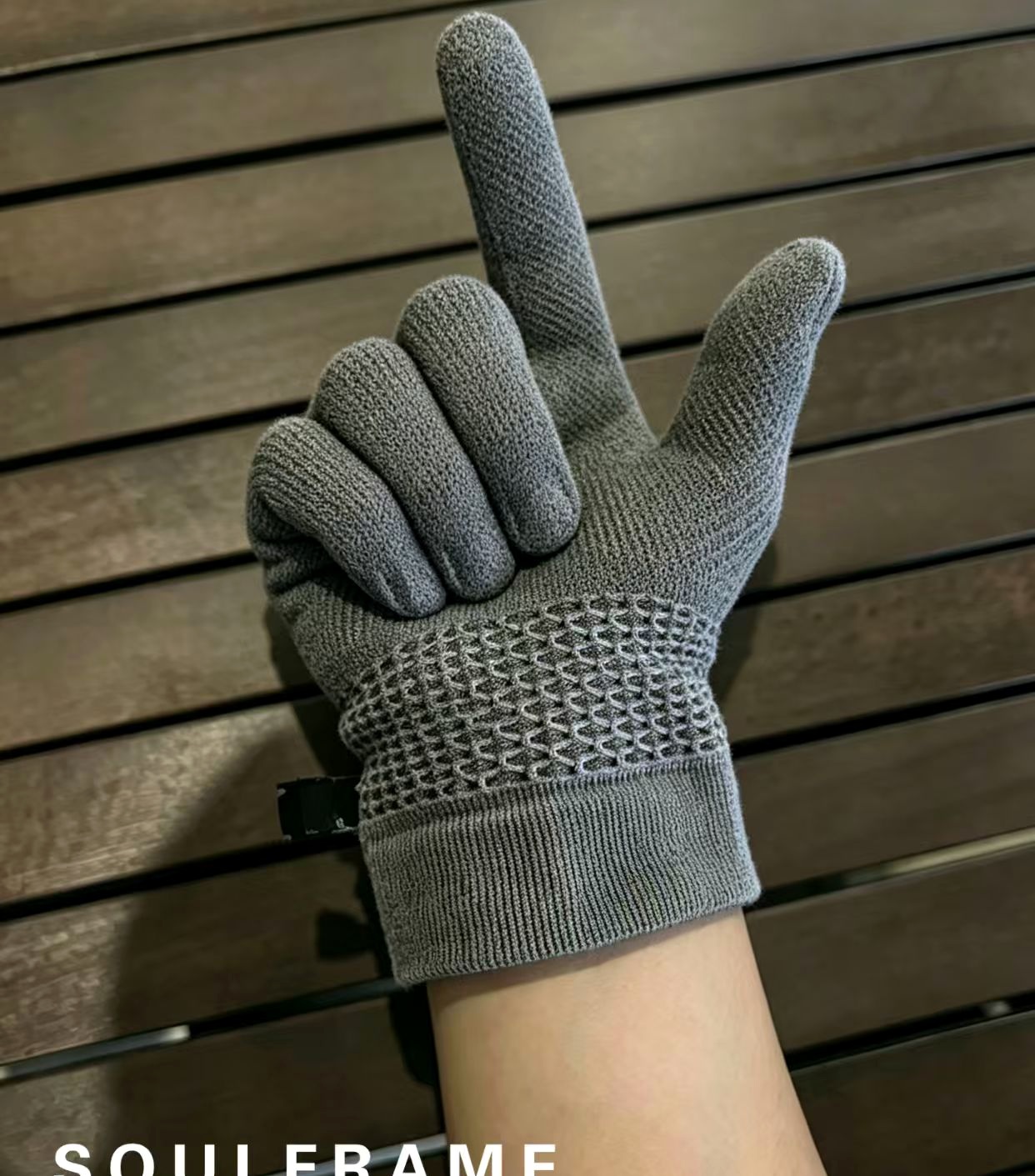
A flexible functional shell for embodied robots, rehabilitation devices and dexterous hands, with programmable ventilation and optional sensing zones.

Robot wearing red and white active wear02 ACTIVE SERIES
ACTIVE WEAR

Robot Active Series

Modular robot apparel for exhibitions, competitions, inspection and outdoor applications, designed to strengthen brand recognition.

Soft-Skin Engineering, Not Just Styling

Each project balances geometry, movement, thermal management, maintenance and visual identity.

Conformal Stretch

Knitted loop structures stretch around irregular surfaces and follow joint motion with controlled recovery.

Programmable Ventilation

Mesh density and openings can be placed around heat-generating components without sacrificing coverage.

3D Knit Engineering

Robot geometry, joint travel and interface locations are converted into production-ready knitted patterns.

Functional Yarn Integration

Conductive, flame-retardant, abrasion-resistant, antibacterial and other yarn systems can be evaluated by project.

Removable and Serviceable

Modular construction supports removal, cleaning and local replacement for lower lifecycle maintenance cost.

Fast Iteration

Suitable for prototypes and flexible small-batch production without the tooling cost of rigid molded shells.

From Robot Data to Wearable Soft Skin

01 · Requirement Review

Robot type, application, target functions, quantity and maintenance expectations.

02 · 3D Data Analysis

Geometry, joint travel, sensors, charging ports and thermal boundaries.

03 · Knit Engineering

Shaping, tension zones, mesh structures, yarn selection and interface clearance.

04 · Prototype

Knitting, fitting and motion tests followed by structural refinements.

05 · Validation & Production

Durability and care validation before materials and processes are released.

Start a Project