Product System
A Functional Interface Between Robot and World
Roboskin combines conformal coverage, programmable structures, serviceability and optional sensing integration.
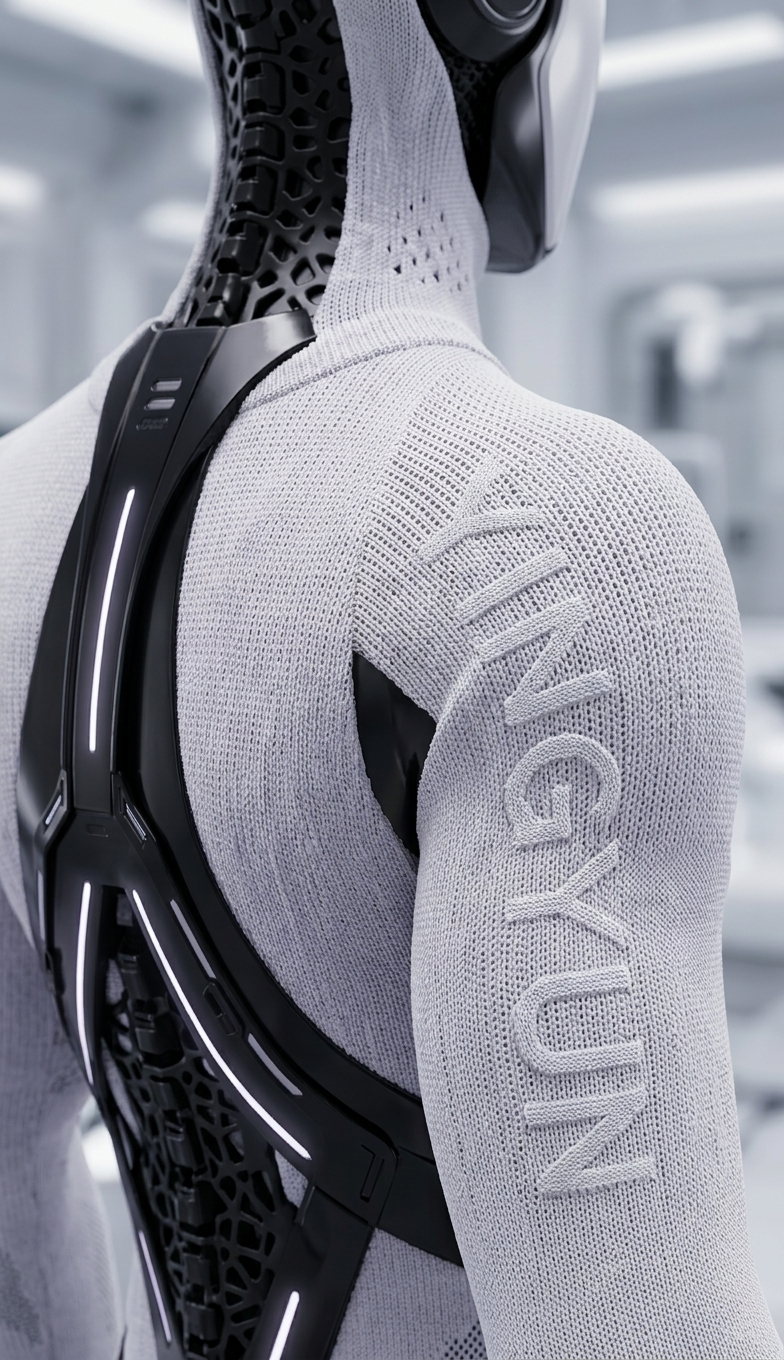
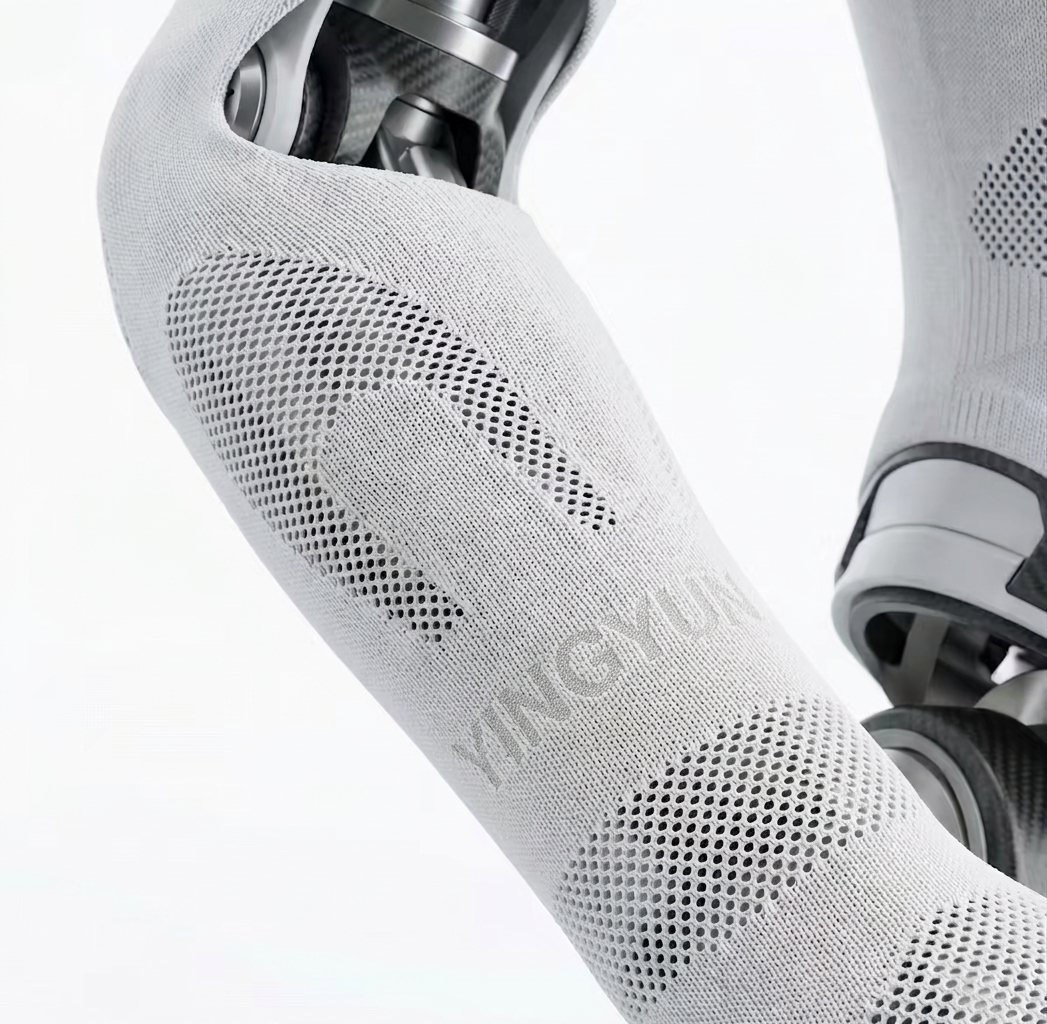
Roboskin combines conformal coverage, programmable structures, serviceability and optional sensing integration.
Local stretch and recovery are tuned to joint range and repeated motion.
Open structures can be positioned around heat sources and high-airflow areas.
Shaped knitting reduces cut seams and preserves smooth coverage on complex surfaces.
Cameras, microphones, LiDAR, screens, ports, vents and service openings remain accessible.
Selected zones can reserve conductive pathways and interfaces for sensing research.
Removable sections allow cleaning, repair and replacement without changing the whole shell.
STEP, STL, OBJ, orthographic drawings, dimensions and robot photographs. Final input requirements are confirmed per project.
A basic appearance prototype typically takes 7-15 days after complete data approval. Functional projects require separate testing schedules.
Polyester, nylon, elastane and project-specific functional yarns selected for movement, care and environment.
Precise protection and hard-surface styling, but tooling, joint clearance and iterative modification can be costly.
Human-like touch and continuous surfaces, with trade-offs in weight, heat dissipation and maintenance.
Lightweight, breathable, removable and fast to iterate, especially valuable for prototypes and flexible production.